Chris Padilla.
Learning Resources
Materials for learning how to code, create art, and make music. Some paid, many free. Links are pulled from my links page, books from the bookshelf.
Creativity
Most of the sections after this one are a matter of learning the tools for the medium. These are applicable to all areas, highly worth reading no matter what you create.
Links
- Austin Kleon: Author of "Steal Like an Artist", a major inspiration.
- Creativity Blog: Shameless plug for the creativity tag on my personal blog.
- See You: Very open newsletter on cultivating creative practice.
Books
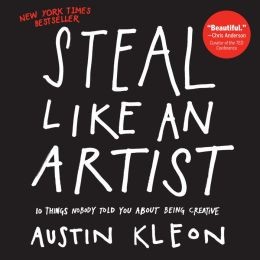
Steal Like An Artist – by Austin Kleon
A little burst of inspiration. If you're looking for a permission slip to go after what you care about, here it is!
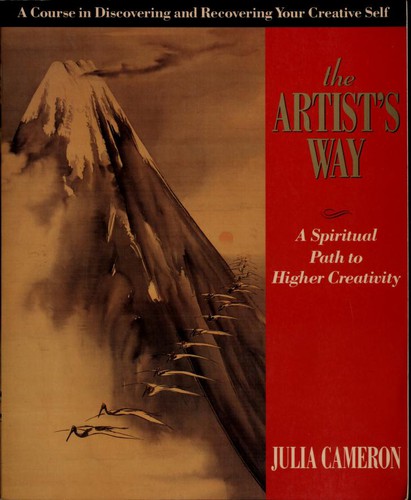
The Artist's Way – by Julia Cameron
An antidote to creative block. Highly recommend reading this and following the exercises as a 12 week program. The juices will begin to flow!

The Listening Book: Discovering Your Own Music – by W. A. Mathieu
Everyone should read this! Even non musicians. The book takes the pure meditative quality of listening to and reveling in sound from the start and further combs towards practicing music. Absolutely beautiful. So many wonderful insights on our relation to sound and being a creative musician in the world.
Posts referencing this book: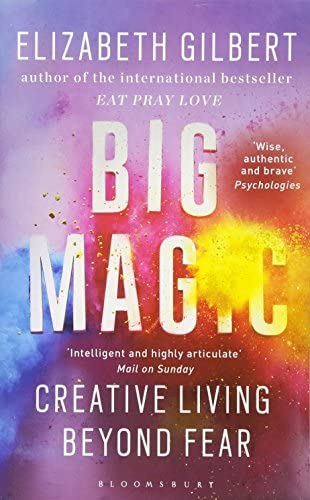
Big Magic – by Elizabeth Gilbert
One of my favorite books on living creatively. The secret is bouncing between serious, regular dedication to what you care about doing, and also not taking it that seriously, making the work playful as you do it.
Posts referencing this book:
Show Your Work – by Austin Kleon
"How would Brian Eno write a Content Marketing book", as the author puts it. He writes about reframing "marketing" as "community building", being part of a scene over screaming into the void.
Posts referencing this book: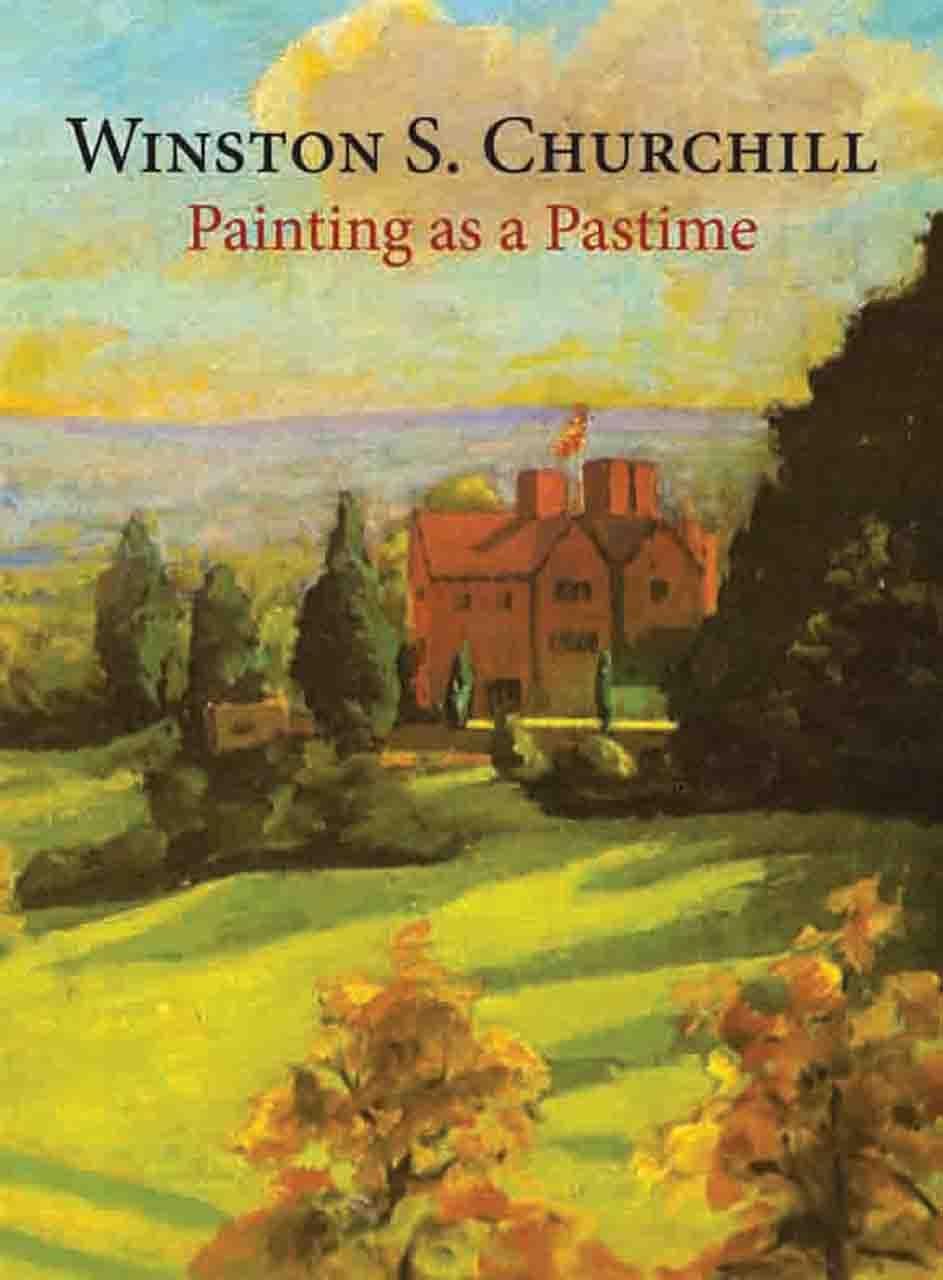
Painting As a Pastime – by Winston S. Churchill
A love letter to color and light from an enthusiastic amateur.
Posts referencing this book: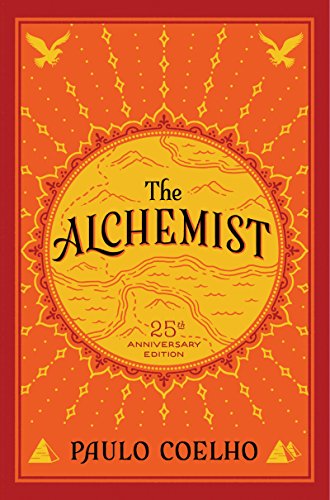
The Alchemist – by Paulo Coelho
A beautiful journey that illustrates how much richer the world is when we pursue our own personal inspirations and callings, grand or simple.
Posts referencing this book: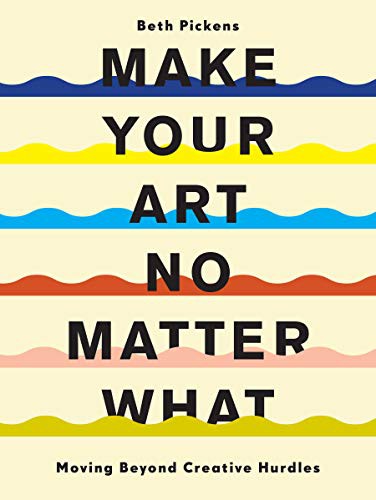
Make Your Art No Matter What: Moving Beyond Creative Hurdles – by Beth Pickens
An important read for countering the wiring that art is only worth making in exchange for money or notoriety — An idea that no one would outright disagree with, but that can find itself in our subtle motivations all the same. In lieu of those drives, Pickens makes the case that for creative people, being engaged in creative work is an intrinsic need that, when nurtured, amplifies the person's life and pours out into those we serve. Not to be relegated to simply being a hobby! Some actionable advice follows, but this core framing is the heart of the book.
Posts referencing this book: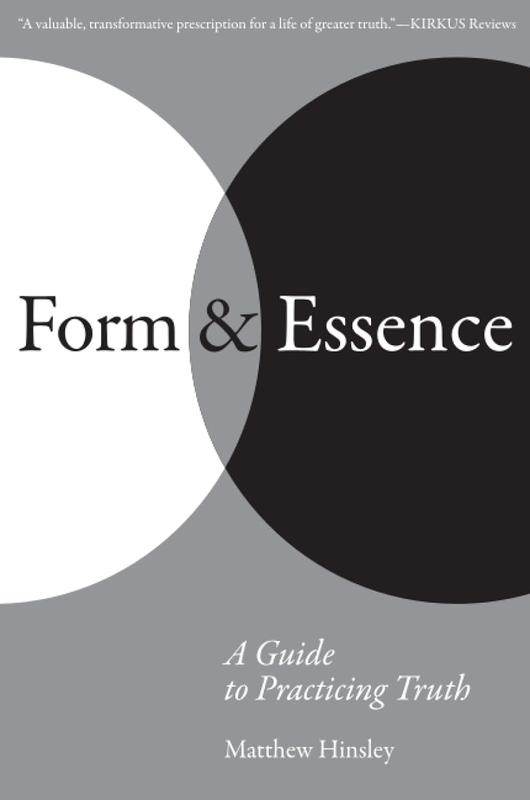
Form & Essence – by Matthew Hinsley
An antidote to the day-to-day focus on what's quantifiable. A wonderful blending of Stephen Covey and Julia Cameron — fitting for the subject of the book.
Posts referencing this book: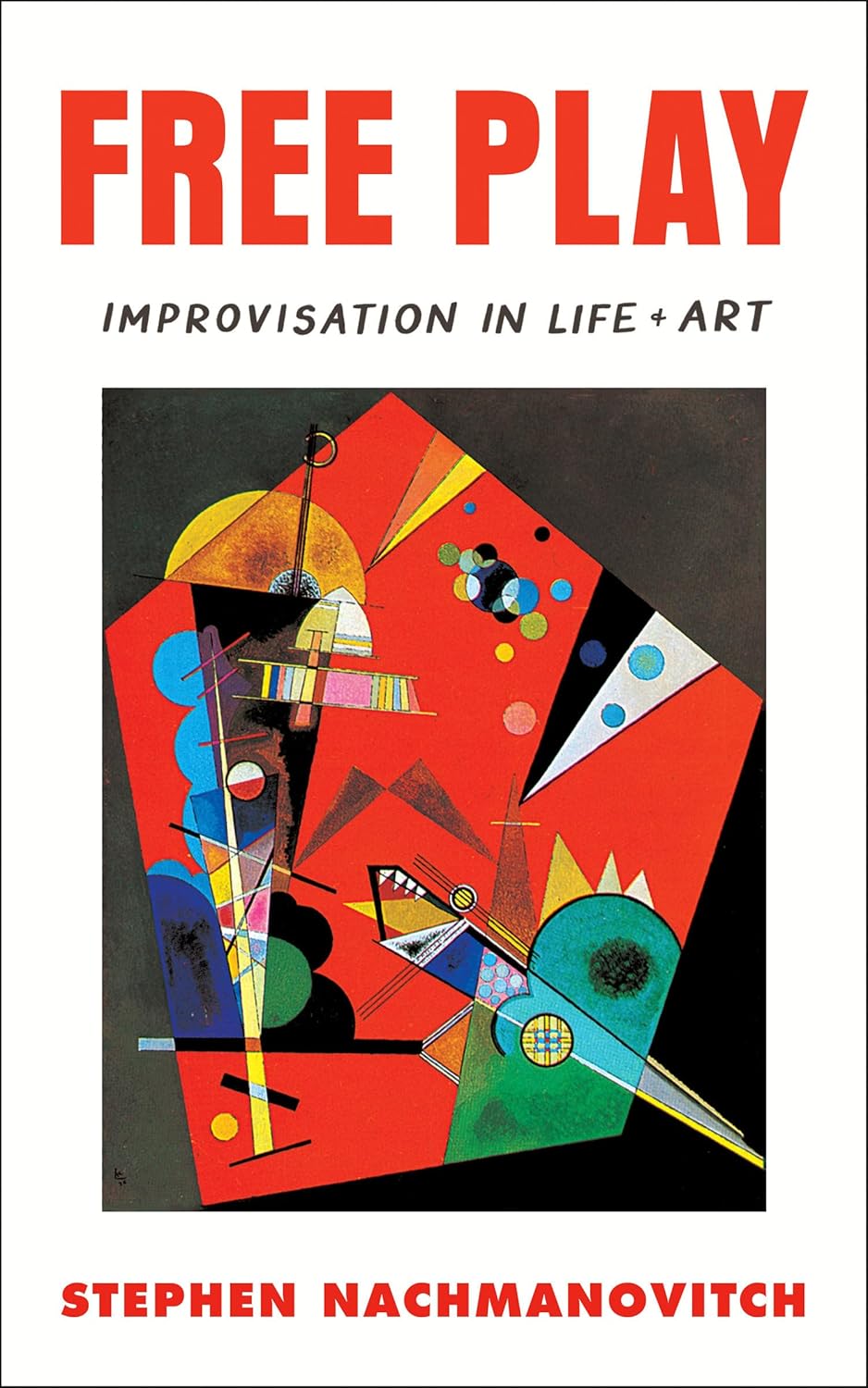
Free Play – by Stephen Nachmanovitch
Wonderful essays on creativity and true improvisation from professional violinist. Highly recommended for any musician, especially those that feel stuck from being classical focused.
Posts referencing this book: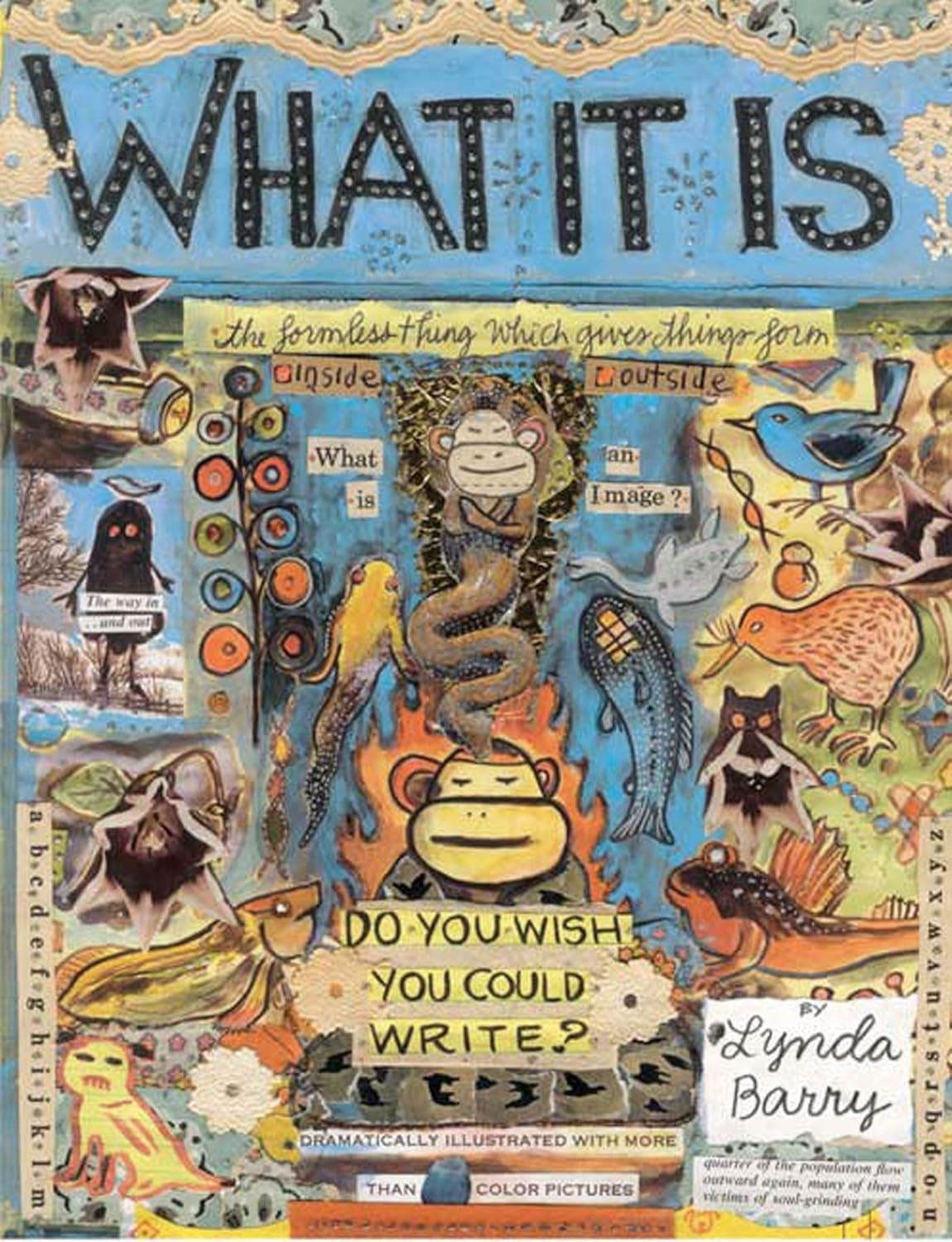
What It Is – by Lynda Barry
This book vibrates. There's a pitch I hear in my ear as I read it, perhaps it's actually a soft voice... Evocative mix of comics, collage, and personal essays on losing then finding creativity.
Art & Fear: Observations on the Perils (and Rewards) of Artmaking – by David Bayles and Ted Orland
Observations on the common pitfalls and roadblocks of art making across disciplines, and, of course, arguments for why it's still worth doing.
Posts referencing this book:
Linchpin – by Seth Godin
Timely reading. Meaningful work happens outside of the design brief, the spec, etc. Our callings are in the creativity and risk taking we bring to our jobs and projects. Affirms that impact is not limited to a title or "what we do", but in the how and why we do it.
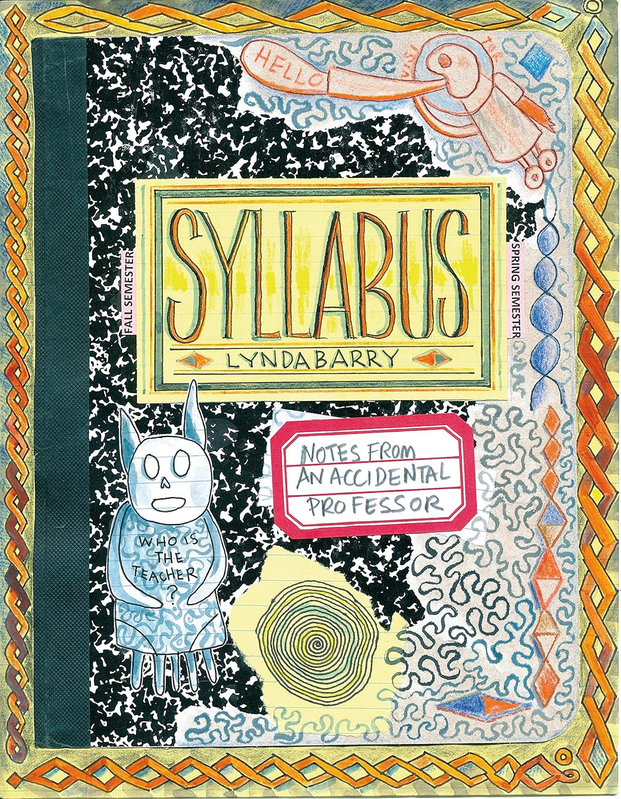
Syllabus – by Lynda Barry
Peeking into the college courses on imagination and the mysterious state we enter when brining about an image. Fewer things are better to read to help loosen you up!
Programming
Whether you are looking to go pro or are curious about exploring a rich hobby in webcraft, there is an infinite ocean of resources at your disposal. Below are favorites, spanning online curriculums, podcasts, and interesting writers in the tech space.
Links
- The Odin Project: Comprehensive curriculum for learning web development. Free and open source! I attribute most of my early learning to their structured curriculum.
- FreeCodeCamp: Another great free and open source curriculum for learning web development. Thoroughly enjoyed the Python module, myself.
- Indie Web: Movement to put the web back in the hands of individuals. Dev focused, but a great resource for anyone interested in web crafting.
- A Beginner's Guide to HTML and CSS: A quick and dirty intro to the basic building blocks of a webpage.
- Roadmap.sh: Roadmaps for learning professional technologies. If you're ever stumped on what to learn, this will get you moving!
- Syntax: Trendy guys talking about web development trends.
- Shop Talk Show: Front End Web Design and general web banter.
- Soft Skills Engineering: Jamison and Dave share insights on "The non-technical aspects of the technical field of software."
- Learn to Dev: My own detailed explanation for how I learned web development and started my professional career.
- Tech Blog: Shameless plug for the tech tag on my personal blog.
Books
Eloquent JavaScript – by Marijn Haverbeke
A great introduction to one of the most widely used scripting languages out there! Well written with excellent examples to follow along with.
The Design of Everyday Things – by Don Norman
Design principles for anyone who makes tools for people. Translates beautifully to software.
The Passionate Programmer – by Chad Fowler
Career advice for software engineering from a former full time sax player gone programmer. A great meta-framework for how to continue to learn and grow in the field.
Posts referencing this book:
Pragmatic Thinking and Learning – by Andy Hunt
Could have easily been titled: How to Learn Anything. A very thorough guide on utilizing the whole brain to gain mastery in a new thought-driven domain. Excellent read, plenty of great exercises for really connecting ideas.
Posts referencing this book:
The Pragmatic Programmer – by Andy Hunt and Dave Thomas
Timeless principles for developing software. Such a wide range of topics relating to the job are covered, it feels like a must read for anyone new to the field! How to prototype, how to maintain software, how to manage projects, communicating with non-technical collaborators. It's all here!
Posts referencing this book: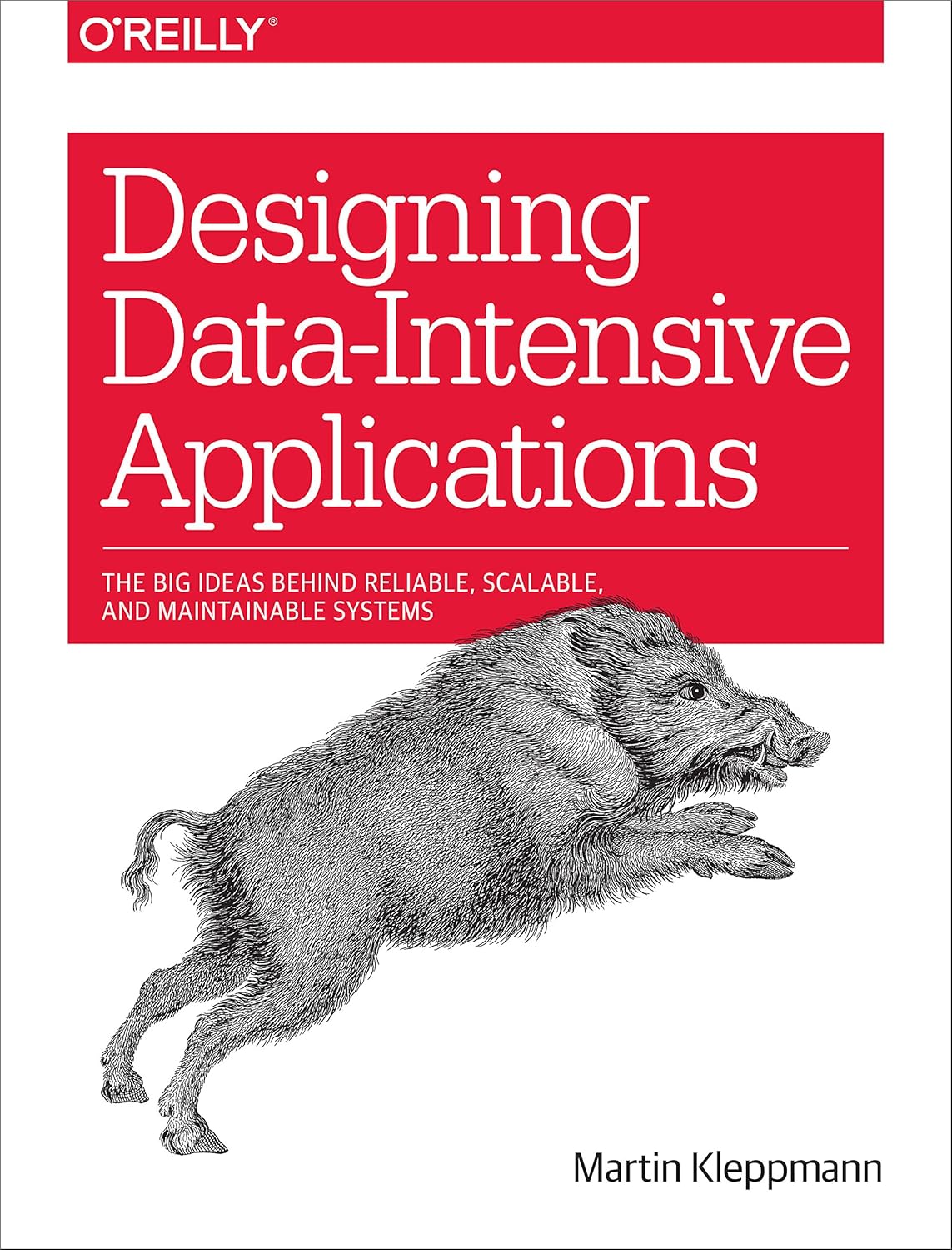
Designing Data-Intensive Applications – by Martin Kleppmann
Wildly thorough look at massive scale system design considerations.
Posts referencing this book:Music
The best way to learn music is by doing it, whether you play an instrument, compose, or produce digitally. Most of the resources here are methods for doing exactly that.
Links
- Ableton's Learning Music: A succinct intro to making music. Learn the building blocks here, then go mess around with them in your own compositions.
- MusicTheory.net: Lessons and exercises for developing the base of your musicianship. Very similar to the material we ran through in my college music degree. Visit the ear training section to get transcription practice.
- Faber Piano Adventures: Piano method books and materials for young and adult beginners. Well-structured and beautifully composed tunes. This gets a thorough stamp of approval from me.
- MuseScore: A host for user-contributed sheet music.
- MuseScore Studio: Free sheet music notation software.
- TrueFire: Guitar lessons from professional instructors.
- Justin Guitar: Ludicrously thorough series of guitar lessons! Start here.
- Let’s Talk About Math Rock: Specialized look at the technique and theory behind modern progressive rock guitarists.
- Open Studio Jazz: Online jazz learning platform. Excellent community! There are lessons for every skill level.
- Learning Proprioception: Note on my own journey learning Proprioception at the piano.
- Writing Music: My own note on how to approach writing music, whatever the genre.
Books

Hal Leonard Guitar Method – by Will Schmid and Greg Koch
Nothing beats a good ol' fashioned method book! This one focuses pretty heavily on lead guitar. Lots of spirituals and traditional tunes. Playing these tuneful lines early on helps melodic playing and getting familiar with the notes on the guitar.
Posts referencing this book: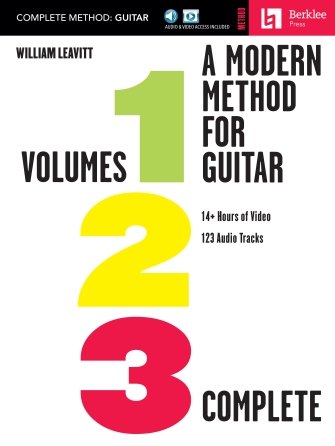
A Modern Method for guitar – by William Leavitt
College-level method book used by the Berklee School. Excellent resource for developing the ability to read sheet music and proprioception in each hand.
Christopher Parkening Guitar Method – by Christopher Parkening
The classical guitar method. Lovely for finger picking practice.
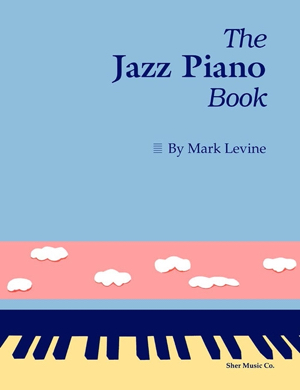
The Jazz Piano Book – by Mark Levine
A good reference for the intermediate and beyond jazz pianist. Not terribly beginner friendly, see other materials if just starting out.
Posts referencing this book: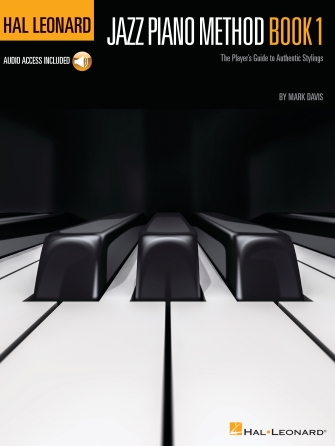
Hal Leonard Jazz Piano Method – by Mark Davis
The first Jazz book I've picked up that actually takes you from zero to improvising. Too many other books I've read assume some sort of prior knowledge or experience. A great starting place.
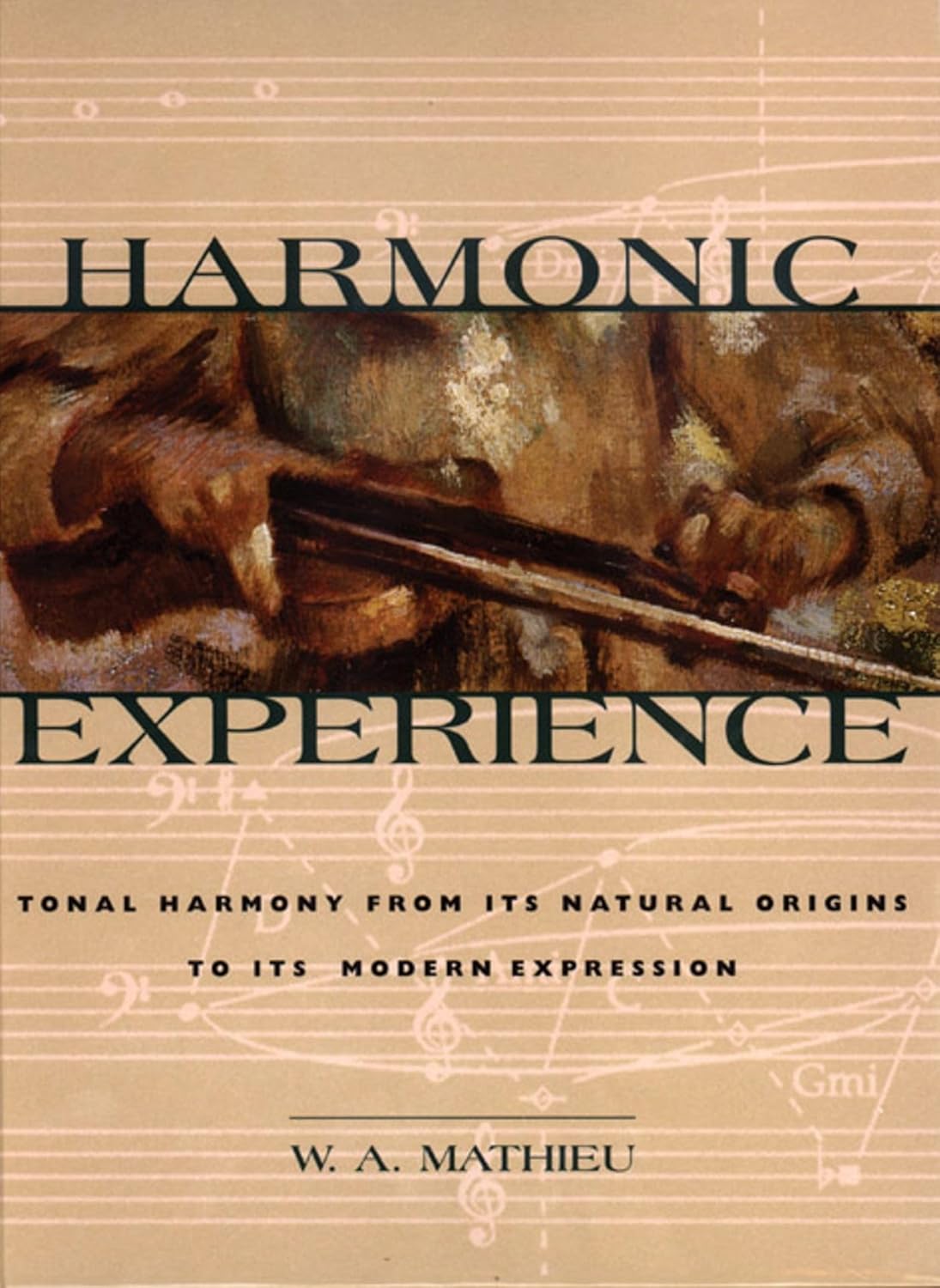
Harmonic Experience: Tonal Harmony from Its Natural Origins to Its Modern Expression – by W. A. Mathieu
A true music theory book that focuses on resonance as the basis for understanding harmony. This is not so much a quick road to learning how to compose as much as it is theory in guided practice to understand where our harmonic language comes from. If you enjoyed Bernstein's introduction to tonal harmony, this is an entire textbook exploring that foundation.
Posts referencing this book: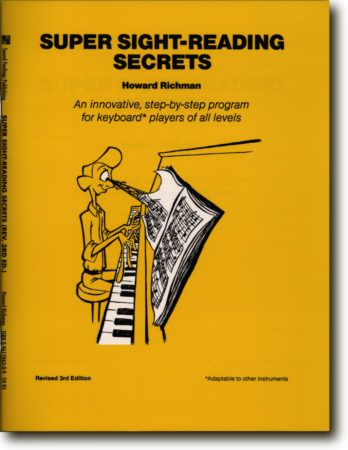
Super Sight-Reading Secrets – by Howard Richman
A no nonsense book that does exactly what it says on the tin! The best exercises in the book deals with gradually building up a tactile relationship to the keyboard. Progress will seem very slow, but the payoff is so worth it! Having played piano for a number of years, I'm only starting to feel I really know the instrument after working through part of this book. A must have for every pianist!!
Posts referencing this book: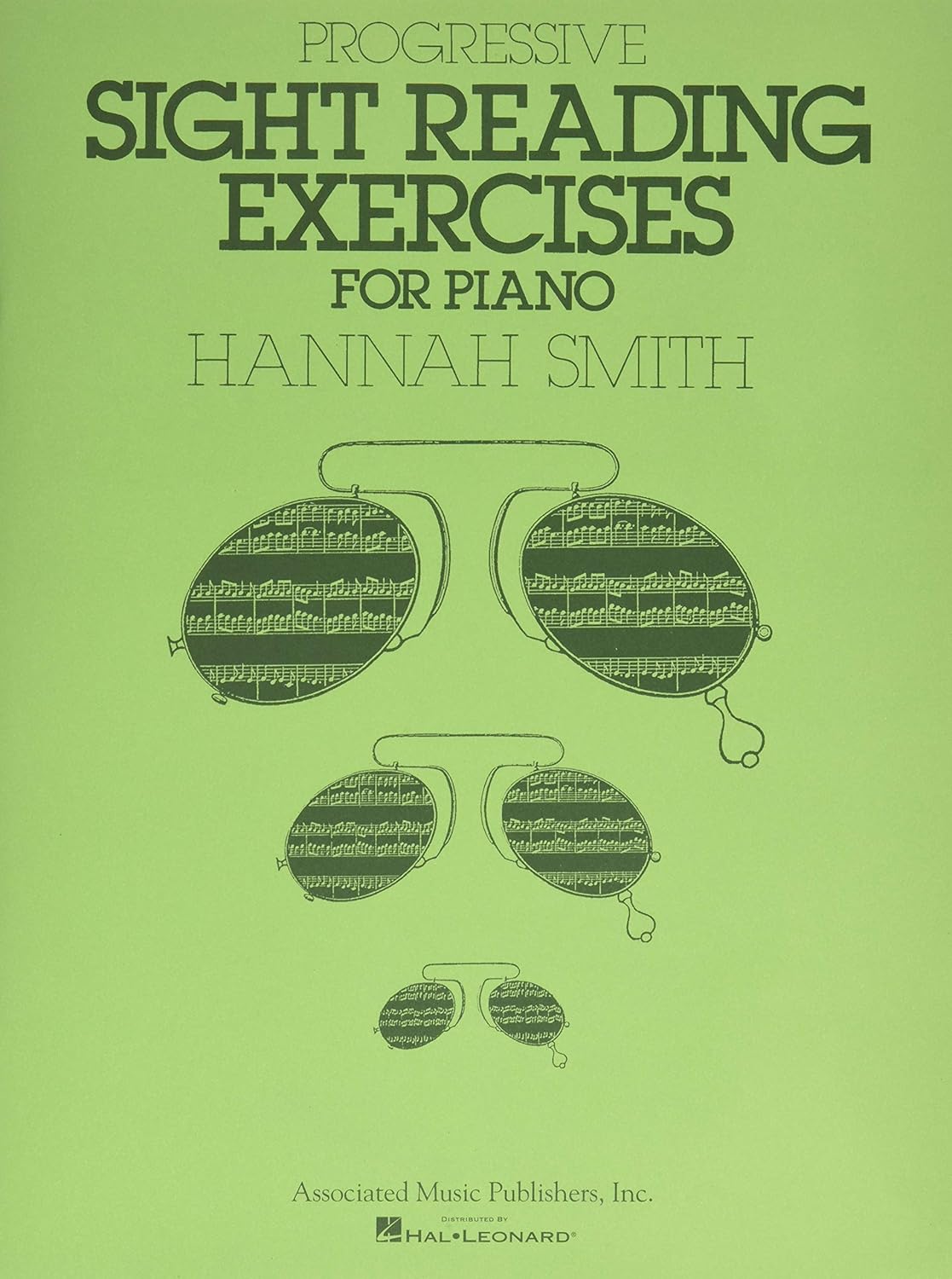
Progressive Sight Reading Exercises: Piano Technique – by Hannah Smith
My recommended "Start Here" book for sight reading at the keyboard. I came to this book realizing I was hitting a wall with my playing, looking back and forth at the page and then the keyboard. This won't get you all of the way there, this book focuses on five finger patterns. Though, it's a great place to get going reading several short, bite sized lines.
Posts referencing this book: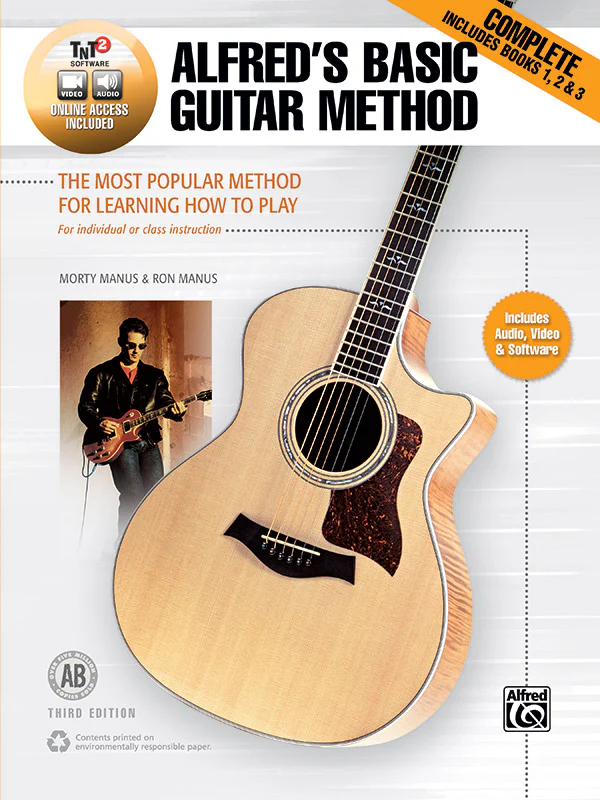
Alfred's Basic Guitar Method – by Morty Manus and Ron Manus
You can't go wrong with a good ol' method book! This one is particularly great for pick control over coordinating strumming across specific strings — for three-four note chords and boom chick bass lines.
Art
Resources for getting started, be it pencil and paper, or a digital tablet. Primary focus here are fundamentals, since style very swiftly takes folks off into their own direction.
Links
- Lighting Mentor Jeremy Vickery: Very painterly approach to light and digital painting. Course moves quickly! Take your time with it.
- Texture Labs: Images free and paid for 2D artists.
- Drawing Force: Mike Mattesi’s video accompaniment to the great figure drawing books.
- ctrl+Paint: Free and paid video tutorials on digital painting. Assumes little prior knowledge, great for beginners.
- How to Think When You Draw: Microscopic tutorials on drawing in a comic style.
- Proko: Catalogue of art courses. Would recommend the Figure Drawing and Drawing Basics courses.
- Draw A Box: Fundamentals of drawing focusing on perspective and form. Brutalist at times, but very beneficial!
- Marco Bucci: Courses from a very painterly artist. The Color Survival Guide is a must watch.
- School of Visual Storytelling: Illustration instruction from pro children's book artists.
- Loish: Beautiful gestural portraits. Helpful tutorials and resources.
- Noah Bradley: Articles on art from a phenomenal landscape painter. His newsletter is a delight as well!
- Krita Software Guide: Video walkthrough of all the essential Krita features.
- 3D Resources: See my list of Blender resources.
Books
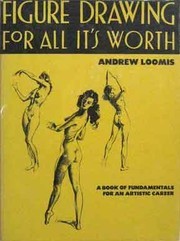
Figure Drawing for All It's Worth – by Andrew Loomis
More inspiring reference.
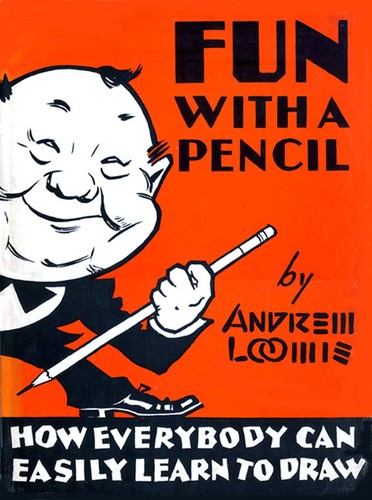
Fun With A Pencil – by Andrew Loomis
A classic drawing book in the commercial illustrator style. All of Loomis' materials are great. They are, perhaps, overly measured. The best benefit from these, I would say, is the material on constructing the figure.

Gesture Drawing for Animation – by Walt Stanchfield
Inspiring essays on capturing the essence of the figure from a disney veteran. One of my personal favorites.
Posts referencing this book: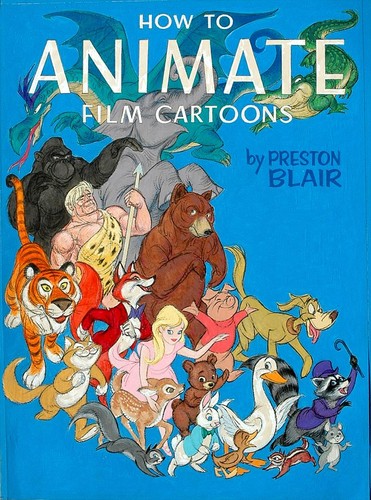
Cartoon Animation – by Preston Blair
A terrific guide into animation, and not a bad intro to drawing, at that. A brief read, more of a road map rather than a step-by-step guide.
Posts referencing this book: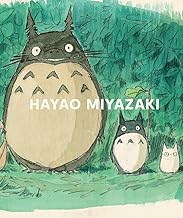
Hayao Miyazaki – by Jessica Niebel
Beautiful. Absolutely stunning selection of prints, stills, and write ups. An absolute must for any fan of these films. Gorgeous reference.
Posts referencing this book: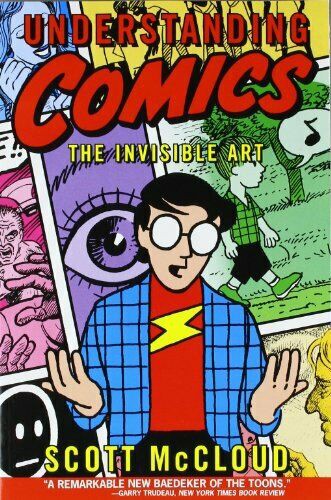
Understanding Comics: The Invisible Art – by Scott McCloud
A primer on art through the lense of how it applies to comics. I learned a great deal about appreciating comics, I learned even more about visual and story-telling mediums as a whole.
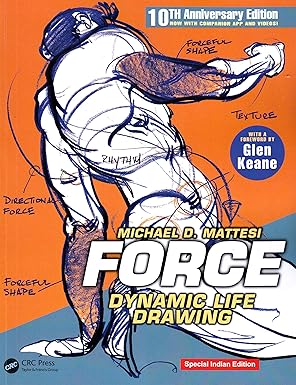
FORCE: Dynamic Life Drawing – by Mike Mattesi
Figure drawing that puts rhythm and gesture front and center. This approach makes drawing the figure enjoyable and expressive. Fun to work through and a great companion to the Drawing Force online course.
Posts referencing this book: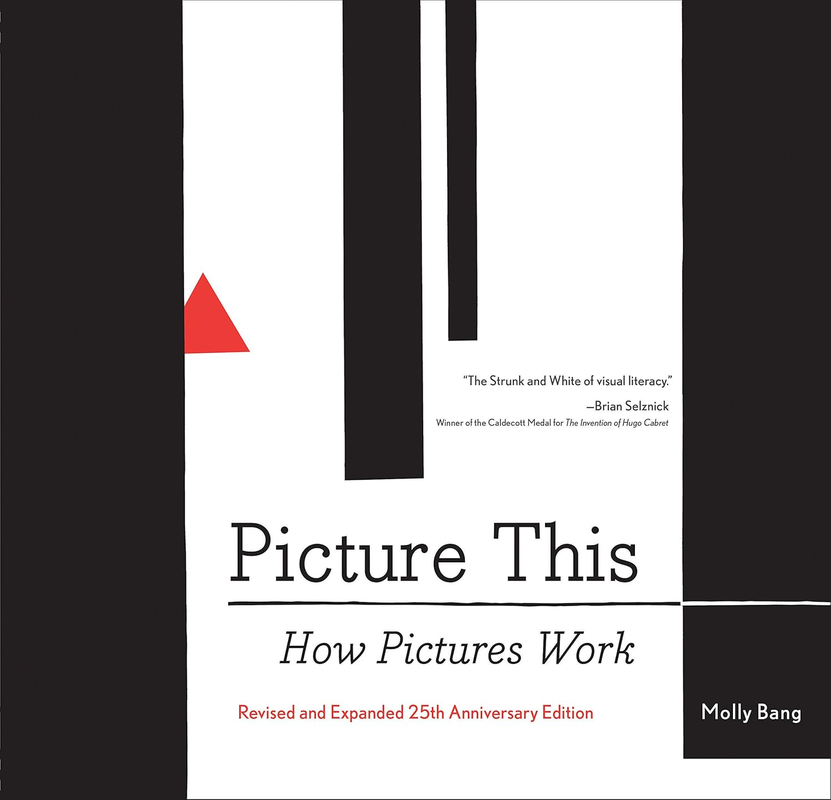
Picture This: How Pictures Work – by Molly Bang
Technique is abstracted down to paper cutouts to illustrate the heart of visual storytelling and composition.
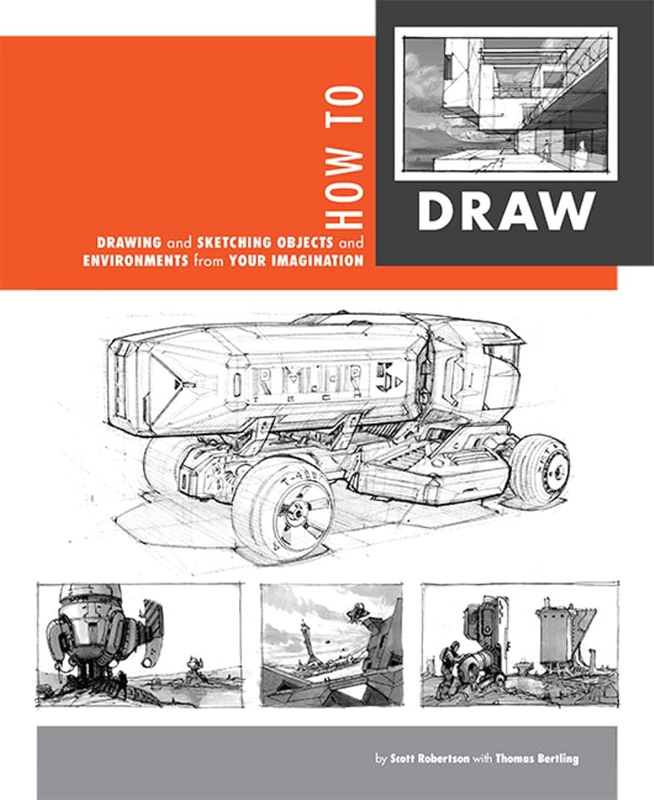
How to Draw – by Scott Robertson with Thomas Bertling
An analytical approach to drawing environments and machines. It tickles the left side of the brain quite nicely! A great follow up and encyclopedic resource to follow after drawabox.
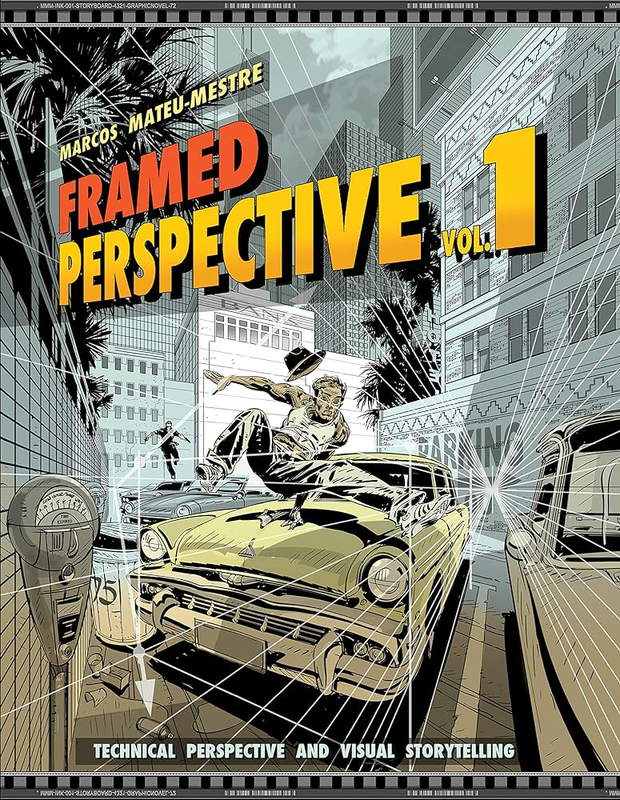
Framed Perspective Vol. 1 – by Marcos Mateu-Mestre
Perspective applied to enviroments. Incorporates compositional techniques to utilize these tools in a way to make really dynamic images!